
Houston Funeral Guide: A Comprehensive Overview
Navigating end-of-life arrangements in Houston requires careful planning and understanding of available options, costs, and legal considerations for families experiencing loss.
Understanding Funeral Costs in Houston
Funeral expenses in Houston can vary significantly, ranging from approximately $5,000 to over $12,000, depending on the chosen services and the funeral home selected. These costs encompass a multitude of factors, including basic services fees charged by funeral directors and staff, preparation of the deceased, and transportation.
Traditional burial services generally represent the higher end of the cost spectrum, while direct cremation offers a more affordable alternative. It’s crucial to remember that the national average cost for a funeral is around $7,848, but Houston’s urban landscape often leads to increased pricing. Obtaining detailed price lists from multiple funeral homes is essential for informed decision-making.
Price transparency can be challenging, with some homes being less forthcoming about costs upfront. Families should proactively inquire about all potential charges to avoid unexpected bills during an already difficult time. Understanding these cost components empowers families to plan respectfully and within their financial means.
Average Funeral Costs: A Detailed Breakdown
A traditional full-service burial in Houston typically falls between $7,000 and $12,000. This includes basic services fees for the funeral director and staff, preparation of the deceased, and transportation of the body to the funeral home. Embalming, while not always required, adds to the cost. Casket prices can range dramatically, from a few thousand dollars to upwards of $10,000, depending on materials and design.
Direct cremation, a simpler option, averages around $3,000, encompassing removal from the place of death, transfer to the crematory, and the cremation process itself. However, this doesn’t include memorial services or urns. Quotes received by individuals vary widely, from $3,000 to over $15,000, highlighting the importance of comparison shopping.
Additional expenses include obituary notices, memorial products, and potentially, cemetery plot costs, which can significantly increase the overall financial burden. Careful budgeting and detailed price comparisons are vital for navigating these expenses effectively.
Factors Influencing Funeral Expenses
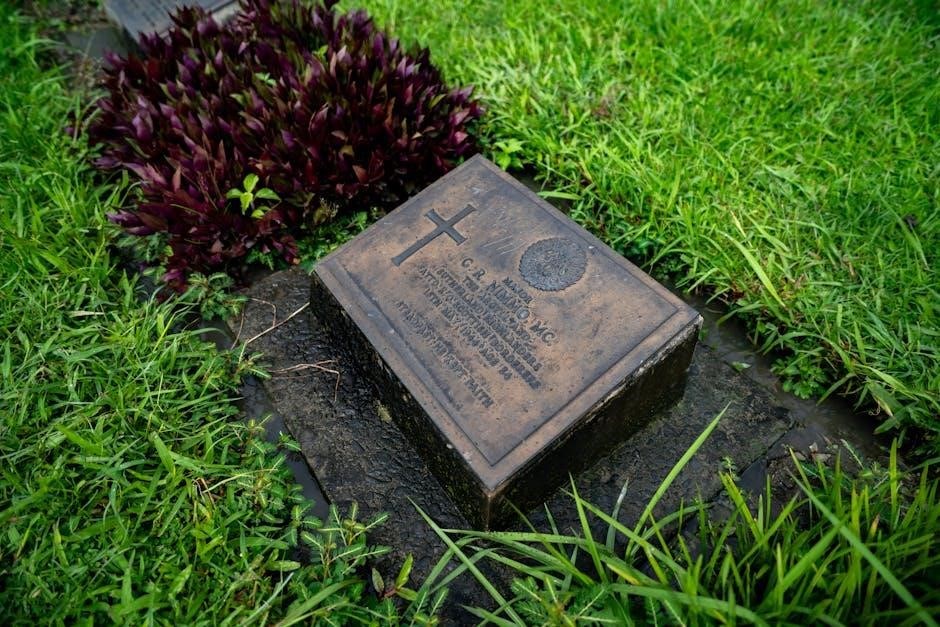
Several key factors significantly impact the final cost of a funeral in Houston. The choice of services – traditional burial versus direct cremation – is a primary driver, with burial generally being more expensive. Casket selection plays a substantial role, as prices vary widely based on material, construction, and features.
Embalming, while optional in many cases, adds to the overall expense. Transportation costs, particularly for remains originating outside the immediate Houston area, can also be considerable. The selection of a funeral home influences pricing, as different establishments have varying fee structures.
Additional costs such as obituary publication, memorial products (guest books, memorial folders), and cemetery plot purchases contribute to the total. Demand and location within Houston can also affect prices, with some areas potentially having higher costs than others. Finally, the complexity of the service and any personalized requests will impact the final bill.
Types of Funeral Services Available in Houston
Houston offers a diverse range of funeral service options to accommodate varying preferences and budgets. Traditional burial services encompass viewing, embalming, a funeral ceremony, and interment, often including a graveside service. Direct cremation provides a simpler, more affordable alternative, involving cremation without a formal viewing or ceremony.
Memorial services, often held without the body present, allow for a celebration of life and remembrance. Celebration of life events are increasingly popular, focusing on a personalized tribute to the deceased. Some families opt for green burials, emphasizing environmentally friendly practices.
Funeral homes frequently offer customized packages combining elements of different service types. Pre-need funeral arrangements allow individuals to plan and pre-pay for their services, relieving the burden on loved ones. The availability of specific services may vary between funeral homes, so it’s crucial to inquire about options.

Funeral Home Options in Houston
Houston presents numerous funeral homes, each with unique services and pricing structures; careful research, including reviews and comparisons, is vital for informed decision-making.
Choosing the Right Funeral Home

Selecting a funeral home is a deeply personal decision, demanding careful consideration of several crucial factors. Begin by assessing your family’s needs and preferences – do you envision a traditional service, or are you leaning towards cremation? Different homes specialize in various types of arrangements.
Location is often a primary concern, offering convenience for family and friends. However, don’t limit your search solely to proximity. Investigate the home’s reputation through online reviews and testimonials, paying attention to comments regarding compassion, professionalism, and transparency in pricing.
Price transparency is paramount. Many homes are hesitant to readily disclose costs, so proactively request a General Price List (GPL). This detailed document outlines the fees for all services and merchandise. Comparing GPLs from multiple homes allows for an informed financial assessment.
Consider the facilities themselves. Are they well-maintained and comfortable? Does the home offer the specific amenities you desire, such as a chapel, visitation rooms, or grief support resources? Finally, trust your instincts – choose a funeral home where you feel respected, understood, and confident in their ability to honor your loved one’s memory.
Reputation and Reviews of Houston Funeral Homes
Researching the reputation of Houston funeral homes is a vital step in ensuring a respectful and trustworthy experience. Online review platforms offer a wealth of insights from families who have previously utilized their services, providing valuable perspectives on service quality and overall satisfaction.
Websites like Google Reviews, Yelp, and the Better Business Bureau (BBB) can reveal patterns of positive or negative feedback. Pay attention to recurring themes – are families consistently praising the staff’s compassion, or are there frequent complaints about hidden fees or lack of transparency?
However, exercise caution when interpreting online reviews. Acknowledge that experiences are subjective, and a single negative review shouldn’t necessarily disqualify a home. Look for a substantial number of reviews to gain a more balanced understanding.
Furthermore, be aware of potential issues regarding identity theft, as recent investigations have highlighted problems with some Houston funeral homes. Verify the home’s licensing and accreditation, and be wary of any requests for sensitive personal information beyond what is necessary for funeral arrangements. A strong reputation built on integrity is paramount.
Avoiding Funeral Home Scams and Identity Theft
Recent investigations in Houston’s Third Ward have unfortunately brought to light instances of identity theft linked to a local funeral home, underscoring the importance of vigilance. Families grieving a loss are particularly vulnerable, making it crucial to protect personal information during arrangements.
Be cautious about providing Social Security numbers, bank account details, or other sensitive data unless absolutely necessary. Question any requests that seem excessive or unrelated to the funeral services. Scammers may exploit grief to obtain financial or personal gain.
Review all contracts and itemized bills carefully before signing. Ensure all charges are clearly explained and match the agreed-upon services. Don’t hesitate to ask for clarification on any ambiguous fees. Keep copies of all documentation for your records.
Verify the funeral home’s licensing with the Texas Department of Licensing and Regulations. Report any suspicious activity or suspected fraud to the Houston Police Department and the Federal Trade Commission. Protecting yourself and your loved one’s identity is paramount during this difficult time.

Essential Funeral Services & Their Costs
Core services encompass director fees, embalming, remains transfer, preparation, and options like viewing or cremation, significantly impacting the overall expense of final arrangements.
Basic Services of a Funeral Director
The fundamental services provided by a Houston funeral director form the cornerstone of the entire arrangement process. These essential offerings typically include a comprehensive consultation to understand the family’s wishes and guide them through available options. This involves detailed discussions regarding service types, merchandise selections, and budgetary considerations.
Crucially, basic services encompass the coordination of all logistical aspects, such as securing the necessary permits and legal documentation – including the death certificate – and preparing the obituary for publication. The funeral director also acts as a liaison between the family and other relevant parties, like clergy or cemeteries.

Furthermore, these services include the arrangement conference, where details are finalized, and the actual direction and supervision of the funeral or memorial service itself. This oversight ensures a smooth and respectful experience for grieving families. The National Funeral Directors Association notes these services are a significant portion of overall costs, often a non-negotiable fee within a package.
Embalming Costs and Considerations
Embalming, a process of preserving the body, is not legally required in Texas unless specific circumstances exist, such as a delay in burial or plans for interstate transportation. However, many families in Houston choose embalming for viewing purposes, believing it offers a more peaceful and familiar appearance of their loved one.
The cost of embalming varies among Houston funeral homes, but generally adds several hundred to over a thousand dollars to the overall funeral expense. This price typically includes basic restorative procedures to address any visible trauma or discoloration. Families should inquire about what is specifically included in the embalming charge.
It’s important to understand that embalming is a personal decision. If a viewing is not planned, or if the body will be cremated, embalming is often unnecessary. Funeral directors should clearly explain the benefits and drawbacks, allowing families to make an informed choice without pressure. Alternative preservation methods may also be discussed.
Transportation of Remains
The transportation of remains within Houston, or from outside the city, is a necessary component of funeral arrangements, incurring specific costs. Funeral homes typically offer services to transfer the deceased from the place of death – whether a hospital, residence, or another facility – to their preparation facility.
Local transportation within Houston generally involves a standard fee, often included within a funeral package. However, if the death occurs outside of the immediate Houston area, additional mileage charges will apply. For remains arriving from out of state, or internationally, more complex arrangements and higher costs are involved, potentially including airfare and specialized handling.
Families should clarify with the funeral home exactly what transportation services are included in their chosen package and what additional fees might apply. It’s also crucial to understand who is responsible for obtaining any necessary permits or documentation for interstate or international transport. Proper handling and compliance with regulations are paramount.
Preparation of the Deceased
The preparation of the deceased encompasses a range of services designed to present the individual respectfully for viewing and final disposition. This often includes care such as bathing, dressing, and cosmetizing to restore a natural appearance. These services are performed with dignity and sensitivity by trained funeral home staff.
Beyond basic hygiene and presentation, preparation may involve restorative art, a process utilizing techniques to address injuries or disfigurements resulting from the cause of death or medical treatment. This is an optional service, and its necessity depends on the condition of the remains and the family’s wishes.
Families should discuss the extent of preparation desired with the funeral director. Understanding the available options and associated costs is crucial. While some level of preparation is standard, additional restorative work will increase the overall expense. Clear communication ensures the deceased is presented in a manner that honors their memory and provides comfort to grieving loved ones.

Alternative Funeral Options & Pricing
Houston families increasingly explore options like direct cremation and simplified burials, offering cost-effective alternatives to traditional services, ranging from $3,000 to $15,000+.
Direct Cremation: Cost and Process
Direct cremation presents a streamlined and often more affordable option for final disposition in Houston. This service typically includes the removal of the deceased from the place of death, transportation to the crematory, and the cremation process itself. Unlike traditional funerals, direct cremation generally excludes a viewing or memorial service at the funeral home, keeping costs significantly lower.
The average cost of direct cremation in Houston can vary, but generally falls between $3,000 and $6,000, though quotes can exceed this range. This price usually covers the basic services of the funeral director, the cremation fee, and a basic cremation container. Additional costs may apply for death certificate copies, urns, or any desired add-ons.
The process is relatively straightforward. After obtaining the necessary authorizations, the funeral home will transport the deceased to the crematory. Cremation typically takes several hours, and once completed, the cremated remains (ashes) are returned to the family in a temporary container. Families can then choose to keep the remains, scatter them, or inter them in a cemetery or columbarium. Direct cremation offers a simple, dignified, and economical choice for those seeking a less elaborate farewell.
Traditional Burial Costs: A Detailed Look
Traditional burial remains a common choice in Houston, though it typically represents the most expensive funeral option. Costs can range significantly, often falling between $7,000 and $12,000 or more, depending on the selections made. This encompasses a variety of expenses, beginning with the basic services fee for the funeral director and staff, which can be several hundred to over a thousand dollars.
Key components contributing to the overall cost include embalming, which is often required for public viewing; the casket, with prices varying widely based on material and design; and the burial plot itself, which can be a substantial expense depending on the cemetery and location. Transportation of the body to the funeral home and the cemetery also adds to the total.
Additional expenses often include a burial vault, required by many cemeteries to prevent ground settling; a headstone or grave marker; and costs associated with a memorial service or viewing, such as flowers, obituary notices, and facility rental. Careful consideration of these elements is crucial for families planning a traditional burial in Houston, as costs can quickly escalate.
Comparison of Funeral Packages
Houston funeral homes frequently offer pre-designed packages to simplify the planning process and provide cost transparency. However, these packages vary considerably in their inclusions and pricing, necessitating careful comparison. A “traditional” package typically includes basic services, embalming, viewing, a casket, and a graveside service, often ranging from $7,000 to $12,000;
More affordable options, like direct cremation or direct burial, generally start around $3,000, but exclude many of the traditional elements. Some homes offer tiered packages – bronze, silver, and gold – with increasing levels of service and merchandise. It’s vital to scrutinize what each package specifically includes.
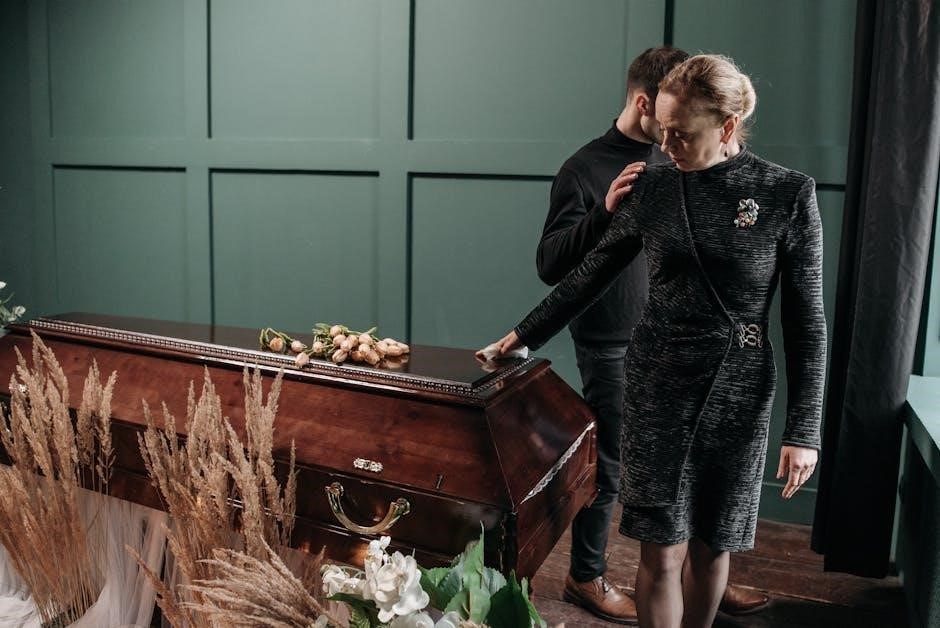
Don’t hesitate to request a detailed General Price List (GPL) from multiple funeral homes. Comparing the GPLs allows for an “à la carte” approach, building a customized service while understanding individual item costs. Remember that quotes can vary significantly, and some homes may be less forthcoming with pricing information initially, so diligent research is key.

Financial Assistance & Pre-Planning
Securing future arrangements through pre-need plans and exploring government aid or insurance coverage can significantly alleviate the financial burden of funeral expenses in Houston.
Pre-Need Funeral Arrangements
Pre-need funeral arrangements involve planning and funding funeral services in advance, offering peace of mind and relieving loved ones from stressful decisions during a difficult time. This proactive approach allows individuals to specify their preferences regarding services, merchandise, and even the chosen funeral home in Houston.
Several benefits accompany pre-planning. Firstly, it often locks in current prices, shielding against future cost increases which, as observed, can range significantly – from $5,000 to over $15,000 – depending on the chosen services. Secondly, it ensures your wishes are clearly documented and honored, minimizing potential family disagreements.
Funding options typically include irrevocable or revocable trusts, and insurance policies specifically designed for funeral expenses. It’s crucial to understand the terms of each option, including cancellation policies and potential penalties. Carefully review contracts and ensure the chosen funeral home is reputable, avoiding potential scams, as highlighted by recent identity theft investigations in Houston’s Third Ward. Selecting a trustworthy provider is paramount when making these important arrangements.
Government Assistance Programs
Navigating funeral expenses can be financially challenging, and several government assistance programs may offer support to eligible individuals and families in Houston. While direct financial assistance specifically for funeral costs is limited, various programs can alleviate the burden.
Social Security provides a lump-sum death benefit of $255 to a surviving spouse or child if they meet certain criteria. Veterans and their families may be eligible for burial benefits through the Department of Veterans Affairs, including a headstone, burial allowance, and plot allowance.
Additionally, Medicaid may cover some funeral expenses for recipients, depending on state regulations and remaining estate funds. Local county assistance programs might also offer limited financial aid or resources. It’s important to investigate these options thoroughly, as eligibility requirements vary. Families should contact their local Social Security office, VA regional office, and county human services department to determine their potential benefits and navigate the application processes effectively. Understanding these resources can provide crucial financial relief during a difficult time.
Insurance Coverage for Funeral Expenses
Many individuals proactively plan for funeral costs through various insurance policies, offering financial security during a difficult time for their families in Houston. Life insurance is the most common form of coverage, with policies providing a death benefit payable to beneficiaries, which can be used to cover funeral expenses and other related costs.
Pre-need funeral insurance policies are specifically designed to fund funeral arrangements in advance, locking in prices and relieving the financial burden on loved ones. Some burial insurance policies offer smaller, simpler coverage options. Additionally, certain accidental death and dismemberment (AD&D) policies may provide benefits upon death, regardless of the cause.

It’s crucial to review existing insurance policies to understand coverage amounts and claim procedures. Beneficiaries should promptly file claims with the insurance provider, providing necessary documentation like a death certificate. Understanding policy details and initiating claims efficiently ensures funds are available to cover funeral arrangements and associated expenses, easing the financial strain during bereavement.