
Rebuilding a manual transmission involves restoring its functionality‚ often due to wear or damage. Popular models like the T10 and NV4500 require specific expertise.
What is a Manual Transmission?
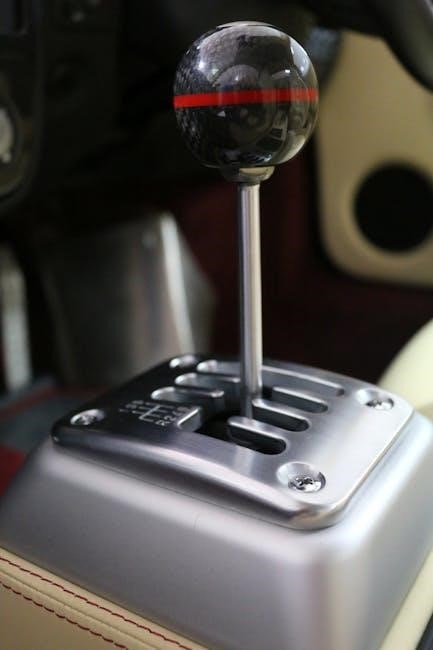
A manual transmission‚ also known as a standard transmission‚ is a mechanical system used in vehicles to transfer engine power to the wheels. Unlike automatic transmissions‚ it requires the driver to manually select gears using a gear stick and clutch pedal. Internally‚ it utilizes gears and shafts to provide different torque and speed ratios.
These transmissions‚ like the T10 found in older vehicles‚ rely on precise synchronization for smooth gear changes. Understanding its components – gears‚ shafts‚ synchronizers‚ and bearings – is crucial for successful rebuilding. Proper function ensures efficient power delivery and driver control‚ making it a cornerstone of many performance and classic cars.
Why Rebuild a Manual Transmission?
Rebuilding a manual transmission becomes necessary when experiencing issues like difficult shifting‚ gear noise‚ or complete failure. Wear and tear on components‚ especially in high-mileage vehicles like those with NV4500 transmissions‚ often necessitate a rebuild. Ignoring these symptoms can lead to more extensive and costly damage;
A rebuild restores performance and reliability‚ preventing potential breakdowns. It’s often more economical than replacement‚ particularly for sought-after transmissions like the T10. Proactive rebuilding‚ based on mileage or observed issues‚ extends the transmission’s lifespan and maintains vehicle value.

Tools and Materials Needed
Rebuilding a manual transmission demands both standard hand tools and specialized equipment‚ alongside necessary fluids and sealants for a successful restoration.
Essential Hand Tools
For rebuilding a manual transmission‚ a comprehensive set of hand tools is crucial. This includes various socket sizes‚ both metric and standard‚ alongside open-end and box-end wrenches. A torque wrench is absolutely essential for proper reassembly‚ ensuring correct fastener tightness. Screwdrivers – Phillips and flathead – are needed for numerous tasks. Pliers‚ including snap-ring pliers‚ are vital for removing and installing retaining rings.
Additionally‚ a hammer (rubber and metal)‚ punches‚ and a chisel will prove invaluable. Don’t forget measuring tools like calipers and micrometers for precise component checks. A good quality magnetic parts tray keeps small pieces organized‚ preventing loss during disassembly.
Specialized Transmission Tools
Rebuilding a manual transmission demands tools beyond standard hand tools. A transmission jack is essential for safe removal and installation. Internal snap ring pliers‚ designed for transmission components‚ are critical. Gear pullers‚ in various sizes‚ facilitate removing tightly fitted gears. A bearing separator and installer are needed for bearing service.
Furthermore‚ a dial indicator with a magnetic base is vital for checking gear backlash and runout. Specialized sockets for transmission output shaft nuts are often required. A valve body remover (if applicable) simplifies disassembly. Consider a slide hammer for stubborn components‚ and thread chasers to restore damaged threads.
Necessary Fluids and Sealants
Rebuilding a manual transmission requires specific fluids and sealants for proper function and longevity. High-quality gear oil‚ meeting the manufacturer’s specifications (often GL-4 or GL-5)‚ is crucial for lubrication. Assembly lube‚ designed for transmission components‚ minimizes friction during initial startup.
Redline or similar synthetic gear oils are often preferred for performance applications. A variety of sealants‚ including RTV silicone and anaerobic thread locker‚ are essential for preventing leaks. New gaskets and O-rings are vital‚ and a sealant compatible with the transmission’s materials must be selected.

Disassembly of the Manual Transmission
Disassembling a manual transmission begins with removal from the vehicle‚ followed by careful inspection and cleaning of components before gearbox separation.
Removing the Transmission from the Vehicle
Safely removing the transmission requires disconnecting driveshafts‚ linkages‚ and electrical connections first. Support the engine from above to prevent tilting during the process. Drain the transmission fluid completely before attempting removal‚ utilizing appropriate containers. Securely attach a transmission jack underneath‚ ensuring proper alignment with mounting points.
Carefully unbolt the transmission from the engine‚ paying attention to weight distribution. Slowly lower the transmission using the jack‚ maneuvering it clear of exhaust systems and other obstacles. Inspect mounting surfaces for damage or corrosion. Proper support and careful maneuvering are crucial to avoid injury or component damage during this initial step.
Initial Inspection and Cleaning
Thorough inspection and cleaning are vital before disassembly. Examine the exterior for leaks‚ damage‚ and corrosion. Use a parts washer or solvent to remove accumulated grease‚ dirt‚ and grime from the transmission casing. This allows for a clearer view of potential issues.
Carefully inspect mounting points and bell housing for cracks or distortions. Document any visible wear or damage with photographs. Cleaning reveals hidden problems and prevents contamination during the rebuild process. A clean workspace and components are essential for accurate assessment and successful reassembly.
Disassembling the Gearbox
Careful disassembly is crucial‚ following a logical sequence. Begin by removing external components like the shifter linkage and speed sensors. Then‚ separate the bell housing and front cover. Systematically remove gears‚ shafts‚ bearings‚ and synchronizers‚ labeling each part for reassembly;
Pay close attention to the order of components and note any shims or spacers. Use appropriate tools to avoid damaging delicate parts. Document the process with photos or videos. A clean workspace prevents lost parts and ensures a smooth‚ organized disassembly.
Inspecting Transmission Components
Thorough inspection reveals wear and damage on gears‚ shafts‚ synchro rings‚ and bearings. Identifying issues now prevents future failures during operation.
Gear Inspection for Wear and Damage
Detailed gear examination is crucial during a manual transmission rebuild. Look closely for chipped‚ cracked‚ or worn teeth‚ indicating significant stress or improper lubrication.
Pay attention to the gear flanks; pitting or scoring suggests excessive wear.
Use a magnifying glass to detect subtle damage.
Check for signs of galling‚ a surface-level damage caused by friction.
Measure gear tooth thickness to ensure it falls within the manufacturer’s specifications.
Any deviation signals potential issues.
Replace damaged gears immediately to avoid cascading failures and ensure smooth operation.
Shaft Inspection (Input‚ Output‚ Countershaft)
Thorough shaft inspection is vital during a manual transmission rebuild; Examine the input‚ output‚ and countershafts for straightness‚ using a dial indicator to check for runout. Inspect splines for wear or damage‚ as they connect to gears and other components. Look for signs of twisting or bending‚ which can cause significant operational problems. Check bearing journals for scoring or pitting‚ indicating bearing failure.
Ensure all shafts are free from cracks. Replace any shaft exhibiting excessive wear or damage to maintain transmission integrity.
Synchro Ring and Hub Inspection
Synchro rings and hubs are crucial for smooth gear engagement. Inspect synchro rings for wear‚ scoring‚ or broken teeth – these indicate difficulty shifting. Examine the hubs for damage to the baulk rings or slider engagement teeth. Check for proper spring tension in the synchro rings; weak springs lead to grinding. Ensure the hub sleeves slide smoothly on the shaft.
Replace worn or damaged synchro rings and hubs as a set to restore proper synchronization. Careful inspection prevents future shifting issues.
Bearing Inspection and Replacement
Bearing inspection is vital during a manual transmission rebuild. Rotate each bearing; any roughness or play indicates wear and necessitates replacement. Check for pitting‚ corrosion‚ or discoloration on the bearing surfaces. Inspect the bearing races within the transmission housing for damage. Replacing bearings in sets – input‚ output‚ and countershaft – is recommended for optimal performance.
Use a bearing press for safe and accurate installation and removal. Proper bearing preload is essential; consult the service manual for specifications.
Replacing Worn Parts
Replacing worn parts is central to a successful rebuild‚ including gears‚ shafts‚ synchros‚ seals‚ and O-rings‚ ensuring the transmission operates reliably and smoothly.
Installing New Gears
Carefully installing new gears requires meticulous attention to detail. Ensure gears are clean and free of debris before application of assembly lubricant. Proper gear mesh is critical; use specialized tools to verify correct settings‚ preventing premature wear or noisy operation.
Inspect gear teeth for any imperfections before installation. When mounting‚ support the gear fully to avoid stressing the bearings or shafts. Torque all fasteners to the manufacturer’s specifications‚ utilizing a calibrated torque wrench. Incorrect torque can lead to gear failure or loosening during operation. Double-check alignment and rotation for smooth engagement.
Replacing Shafts and Bearings
Replacing shafts and bearings demands precision and the right tools. Carefully remove old bearings using a bearing puller‚ avoiding damage to the shaft or housing. Inspect shafts for wear‚ scoring‚ or bending; replace if necessary. New bearings should be pre-lubricated with high-quality transmission grease before installation.
Use a bearing press to install new bearings squarely‚ preventing misalignment. Ensure proper shaft alignment during assembly. Torque shaft retaining nuts to the manufacturer’s specifications. Verify shaft rotation is smooth and free of binding after installation. A damaged shaft or improperly installed bearing will cause significant issues.
Synchro Replacement Procedures
Synchro replacement requires careful attention to detail. Remove the old synchro rings using a synchro removal tool‚ avoiding damage to the hub or sleeve. Inspect the hub and sleeve for wear or scoring; replace if necessary. Before installing new synchro rings‚ thoroughly clean the mating surfaces;
Lubricate the new rings with transmission assembly lube. Install the rings with the correct orientation‚ ensuring they seat fully into the grooves. Verify the sleeve moves freely along the hub. Incorrect synchro installation leads to grinding during shifts. Proper technique is crucial for smooth gear engagement.
Installing New Seals and O-Rings
New seals and O-rings are vital for preventing leaks after a transmission rebuild; Carefully install the rear housing seal‚ ensuring it’s properly seated in its bore. Apply a thin coat of sealant compatible with transmission fluid. Replace all front and side cover O-rings‚ lubricating them with assembly lube before installation.
Inspect the seal surfaces for damage or corrosion. Pay close attention to the shift fork seals. Incorrectly installed seals will cause fluid loss and potential damage. Double-check all seals for proper seating before final assembly.

Reassembly of the Manual Transmission
Reassembling the gearbox requires meticulous attention to detail‚ ensuring proper gear mesh and bearing preload for smooth operation and longevity of the rebuilt unit.
Reassembling the Gearbox
Carefully reassembling the gearbox demands a systematic approach‚ starting with the installation of the mainshaft and countershaft. Ensuring proper lubrication is crucial at each step to prevent premature wear. Pay close attention to the alignment of gears and synchronizers‚ referencing the service manual for correct positioning.
Install the shift forks and sliders‚ verifying smooth movement within the channels. Double-check all snap rings and retaining clips are securely in place. Gradually tighten the housing bolts in a crisscross pattern to evenly distribute pressure and avoid warping. Accurate gear mesh and bearing preload settings are vital for optimal performance and quiet operation‚ requiring specialized tools for precise adjustments.
Setting Gear Mesh and Bearing Preload
Precisely setting gear mesh and bearing preload is paramount for a smooth-shifting‚ durable transmission. Utilize a dial indicator to measure gear backlash‚ adjusting shims as needed to achieve the manufacturer’s specifications. Proper bearing preload ensures optimal load distribution and minimizes noise.
Employ specialized tools‚ like spring compressors and torque wrenches‚ for accurate adjustments. Incorrect preload can lead to premature bearing failure or gear damage. Carefully follow the service manual’s instructions for your specific transmission model – T10 or NV4500 – as procedures vary. Consistent and accurate settings are key to a successful rebuild.
Installing the Output Shaft
Carefully installing the output shaft requires precision and attention to detail. Lubricate the shaft and splines generously before insertion‚ ensuring smooth engagement with the gears and bearings. Align the shaft properly to avoid damaging the seals or bearings during installation.
Secure the shaft with the appropriate retaining hardware‚ torquing to the manufacturer’s specifications. Verify axial play and ensure the shaft rotates freely without binding; For transmissions like the NV4500‚ specific alignment tools may be necessary. Double-check all components before proceeding to the next reassembly step.

Clutch System Considerations
During transmission rebuilds‚ inspect the clutch disc‚ pressure plate‚ and flywheel for wear. Replacement of the entire clutch kit is often recommended for optimal performance.
Inspecting the Clutch Disc and Pressure Plate
A thorough clutch inspection is crucial during a manual transmission rebuild. Examine the clutch disc for signs of glazing‚ hot spots‚ or worn friction material. Measure the disc’s thickness; if it’s below specification‚ replacement is necessary.
Next‚ inspect the pressure plate for heat cracks‚ warped surfaces‚ and proper diaphragm spring function. Check the release fingers for wear and ensure smooth operation.
Look for any signs of oil contamination‚ which can cause slippage. A compromised pressure plate will negatively impact clutch engagement and overall performance‚ necessitating replacement alongside the disc.
Replacing the Clutch Kit
Replacing the entire clutch kit – disc‚ pressure plate‚ and throw-out bearing – is highly recommended during a transmission rebuild‚ even if only one component appears faulty. This ensures optimal performance and prevents premature failure of remaining parts.
Begin by carefully removing the old clutch components‚ noting their orientation. Clean the flywheel surface thoroughly before installing the new pressure plate‚ ensuring proper alignment.
Install the clutch disc centered using a specialized tool‚ and then carefully install the transmission. Proper torque specifications are vital for secure and reliable operation.
Flywheel Inspection and Resurfacing
Thoroughly inspect the flywheel for heat cracks‚ scoring‚ and wear during a transmission rebuild. Even minor damage can cause clutch slippage or vibration. A warped or damaged flywheel must be addressed before reassembly.
Resurfacing the flywheel restores a flat‚ smooth surface for optimal clutch engagement. This process removes minor imperfections and ensures proper contact.
If the flywheel is severely damaged or below minimum thickness‚ replacement is necessary. Always adhere to manufacturer’s specifications for resurfacing or replacement to maintain performance.

Final Steps and Testing
Post-rebuild‚ carefully reinstall the transmission‚ fill with the correct fluid‚ and perform a test drive to monitor for proper operation and leaks.
Installing the Transmission Back into the Vehicle
Carefully align the rebuilt manual transmission with the engine‚ ensuring proper engagement with the pilot shaft. Support the transmission’s weight during installation to prevent damage. Reconnect the driveshaft‚ ensuring correct alignment and securing all bolts to the manufacturer’s torque specifications.
Double-check all mounting points and connections‚ including the shifter linkage and any associated sensors or wiring. Verify the clutch cable or hydraulic line is properly connected and adjusted. Before proceeding‚ visually inspect everything to confirm a secure and correct installation‚ preventing future issues during operation.
Fluid Filling and Bleeding
After installation‚ carefully fill the manual transmission with the manufacturer’s recommended gear oil‚ using the correct fill plug location. Avoid overfilling‚ as this can cause leaks or pressure buildup. If the transmission was completely disassembled‚ bleeding the system might be necessary to remove any trapped air from the gears.
Follow the service manual’s procedure for bleeding‚ typically involving specific shift patterns while monitoring the fluid level. Ensure the correct fluid type is used to guarantee optimal performance and longevity of the rebuilt transmission. Verify no leaks are present after filling and bleeding.
Initial Test Drive and Monitoring
Following installation and fluid filling‚ a careful initial test drive is crucial. Gently cycle through all gears‚ listening for unusual noises – whining‚ clunking‚ or grinding – which could indicate issues with gear mesh or bearing preload. Monitor for any fluid leaks around seals and plugs during the drive.
Pay attention to shift quality; smooth‚ positive engagement is expected; Continue monitoring fluid levels over the first few hundred miles‚ as some settling may occur. Address any concerns promptly to prevent further damage to the rebuilt transmission.

Common Problems During Rebuilds
Rebuilding transmissions can present challenges like gear noise‚ shifting difficulties‚ and oil leaks. Careful diagnosis and precise component replacement are essential for success.
Identifying and Addressing Gear Noise
Gear noise during a manual transmission rebuild often signals wear or damage to the gears themselves‚ or potentially issues with associated bearings. Identifying the type of noise – whining‚ grinding‚ or clicking – is crucial. A whining sound frequently indicates worn bearings‚ while grinding suggests damaged gear teeth. Careful visual inspection of each gear for pitting‚ chipping‚ or excessive wear is paramount.
If gear damage is found‚ replacement is necessary. Ensure the new gears precisely match the original specifications. Furthermore‚ check the gear mesh pattern during reassembly; improper mesh can create noise and accelerate wear. Don’t overlook the possibility of a loose or damaged shaft‚ contributing to the unwanted sounds.
Fixing Shifting Issues
Shifting issues during a manual transmission rebuild frequently stem from worn synchronizer rings‚ damaged shift forks‚ or a malfunctioning clutch. Inspect synchronizer rings for wear‚ ensuring proper engagement with the gears. Damaged shift forks can cause imprecise or difficult gear selection. A thorough examination of the shift linkage is also vital‚ checking for looseness or binding.
If the clutch isn’t fully disengaging‚ it can mimic internal transmission problems. Address clutch issues concurrently. Proper lubrication of all moving parts within the transmission is essential for smooth shifting. Verify correct gear mesh and bearing preload during reassembly to eliminate binding.
Troubleshooting Oil Leaks
Oil leaks post-rebuild often originate from worn seals and O-rings. Carefully inspect and replace all seals – input and output shaft seals‚ the front and rear main seals‚ and any seals around shift forks. Ensure proper seating of new seals during installation‚ using appropriate sealant where recommended. Check for damage to the transmission housing itself‚ as cracks can cause leaks.
Verify correct torque specifications for all bolts‚ especially those securing the transmission housing halves. A leak around the shift linkage may indicate a worn seal within the shift tower. Thoroughly clean all mating surfaces before installing new gaskets and seals.
Transmission Types and Specifics
Specific transmissions‚ like the T10 and NV4500‚ demand unique rebuilding approaches due to their design and common failure points; detailed manuals are crucial.
Rebuilding a T10 Transmission
The T10 four-speed manual transmission‚ popular in classic muscle cars‚ requires careful attention during rebuilding. Often found in vehicles from the 70s and 80s‚ these transmissions are frequently used in asphalt racing applications. A thorough inspection of gears‚ shafts‚ and synchronizers is essential. Pay close attention to wear patterns on the gears‚ looking for chipped teeth or excessive pitting.
Replacing worn synchro rings and hubs is common‚ as is bearing replacement. Proper lubrication and meticulous cleaning are vital for a successful rebuild‚ ensuring smooth shifting and longevity. Utilizing a service manual specific to the T10 is highly recommended for torque specifications and assembly procedures.
NV4500 Transmission Rebuild Considerations
The NV4500 five-speed transmission‚ commonly found in heavy-duty trucks like the Chevy 2500‚ presents unique rebuilding challenges. Often‚ issues stem from high mileage and demanding use‚ potentially including incomplete clutch release. A comprehensive inspection should focus on identifying the root cause of any exhibited “bad behavior”.
Pay particular attention to the synchronizers and shift forks‚ as these are prone to wear. Thoroughly examine the gears for damage‚ and replace any worn bearings. Proper setup and adjustment are crucial for smooth operation‚ especially considering its application in diesel-powered vehicles.

Resources and Further Learning
For manual transmission rebuilding‚ explore online forums‚ service manuals‚ and technical documentation. Professional training courses can also provide valuable‚ hands-on expertise.
Online Forums and Communities
Engaging with online forums and communities dedicated to automotive repair and specifically manual transmissions is incredibly beneficial. These platforms offer a wealth of knowledge from experienced enthusiasts and professionals who have tackled similar rebuilds. You’ll find detailed discussions on specific transmission models like the T10 and NV4500‚ troubleshooting advice for common issues‚ and guidance on sourcing parts.
Members often share their rebuild experiences‚ including photos and videos‚ providing valuable visual aids. Don’t hesitate to ask questions – most forums have active members eager to help. Remember to clearly state your transmission type and the specific problem you’re facing for targeted assistance. These communities are invaluable resources for learning and problem-solving.
Service Manuals and Technical Documentation
Accessing comprehensive service manuals and technical documentation is paramount for a successful manual transmission rebuild. These resources provide detailed step-by-step instructions‚ exploded diagrams‚ torque specifications‚ and troubleshooting procedures specific to your transmission model – whether it’s a T10‚ NV4500‚ or another type.
Genuine factory service manuals are ideal‚ but high-quality aftermarket options are also available. Digital versions offer convenient searching and printing. Thoroughly studying the documentation before disassembly will significantly reduce errors and ensure a proper rebuild. Understanding the intricacies of each component is crucial for accurate reassembly and long-term reliability.
Professional Training Courses
Investing in professional training courses can dramatically improve your manual transmission rebuilding skills. These courses‚ offered by vocational schools and specialized automotive training centers‚ provide hands-on experience under the guidance of experienced instructors. You’ll learn proper disassembly‚ inspection‚ repair techniques‚ and reassembly procedures for various transmission types‚ including the T10 and NV4500.
A structured curriculum ensures you cover all essential aspects‚ from identifying wear patterns to setting correct gear mesh and preload. Completing a course builds confidence and minimizes the risk of costly mistakes during a rebuild.