Maintaining pristine pool water requires consistent monitoring․ Pool test kits offer homeowners a convenient method for assessing chemical balance, ensuring swimmer safety, and prolonging equipment life․
Why Regular Testing is Crucial
Consistent water testing is paramount for a healthy and enjoyable swimming experience․ Imbalanced pool chemistry can lead to various issues, including skin and eye irritation for swimmers․ Furthermore, improper pH levels can corrode pool equipment or cause scaling, resulting in costly repairs․ Regular testing, ideally 2-3 times weekly, allows for proactive adjustments to chlorine, pH, alkalinity, and calcium hardness․ This preventative approach safeguards water clarity, prevents algae growth, and ensures the sanitizer effectively eliminates harmful bacteria, protecting everyone who uses the pool․
Understanding Pool Chemistry Basics
Effective pool maintenance hinges on grasping fundamental chemical principles․ pH, measured on a 1-14 scale, indicates acidity or alkalinity; ideally, it should be between 7․2 and 7․8; Chlorine, the primary sanitizer, eliminates bacteria and algae, requiring consistent levels (1-3 ppm)․ Alkalinity acts as a pH buffer, preventing drastic swings․ Calcium hardness protects pool surfaces from corrosion or scaling (200-400 ppm)․ Cyanuric acid stabilizes chlorine against sunlight degradation․ Understanding these interconnected parameters is crucial for interpreting test kit results and maintaining optimal water balance․
Types of Swimming Pool Test Kits
Various kits exist, including test strips for quick checks, liquid kits offering greater accuracy, and digital testers providing precise readings with advanced features․
Test Strip Kits: Convenience and Limitations
Test strip kits represent the most user-friendly and affordable option for basic pool water analysis․ Their simplicity lies in a quick dip-and-read process, eliminating the need for liquid reagents or complex procedures․ However, this convenience comes with limitations․ Accuracy can be compromised due to subjective color interpretation and potential interference from water clarity or sunlight․
While suitable for routine monitoring, test strips may not provide precise readings, especially for critical parameters․ Resolution of 0․1 pH is typical, but accuracy can vary․ They are best used as a preliminary check, with confirmation via a more accurate method when necessary, particularly for saltwater pools․
Liquid Test Kits: Accuracy and Procedure
Liquid test kits offer enhanced accuracy compared to test strips, utilizing chemical reagents to produce distinct color changes indicative of specific parameter levels․ The procedure involves collecting a water sample, adding precise amounts of reagents in a specified order, and then comparing the resulting color to a provided chart․
Color-wheel kits are a cost-effective option, providing accurate free chlorine readings when used correctly․ These kits require careful attention to detail, ensuring proper reagent volumes and avoiding contamination․ Digital liquid kits offer even greater precision, often with USB connectivity for data logging and analysis, improving overall pool maintenance․
Digital Test Kits: Precision and Features
Digital pool testers represent the pinnacle of accuracy, typically offering readings within /- 0․1, eliminating subjective color interpretation․ These devices often boast features like LCD displays, automatic temperature compensation, and the ability to measure multiple parameters simultaneously – pH, chlorine, alkalinity, and cyanuric acid․
Many models include USB connectivity for data transfer and analysis, aiding in trend identification․ Calibration is crucial for maintaining accuracy; follow manufacturer instructions carefully․ Compact, portable designs make them convenient for regular testing, ensuring optimal water chemistry and a safe swimming environment․
Key Parameters to Test For
Regularly assess pH, chlorine, alkalinity, calcium hardness, and cyanuric acid levels․ These key indicators directly impact water balance, sanitation, and pool surface protection․
pH Levels: Maintaining Balance
Maintaining the correct pH level – ideally between 7․2 and 7․8 – is fundamental to pool care․ A pH outside this range can cause irritation to swimmers’ eyes and skin, reduce chlorine effectiveness, and even corrode pool equipment․ Test kits accurately measure pH, allowing for adjustments using pH increaser (soda ash) or pH decreaser (muriatic acid)․ Consistent pH balance prevents scaling, etching, and ensures optimal sanitizer performance․ Regularly testing, at least twice weekly, is crucial for a comfortable and safe swimming experience․ Accurate readings are vital for proper chemical additions․
Chlorine Levels: Sanitization and Safety
Chlorine is the primary sanitizer, eliminating bacteria and algae, ensuring a safe swimming environment․ Ideal free chlorine levels typically range from 1-3 ppm (parts per million)․ Test kits differentiate between total chlorine and free chlorine, with free chlorine being the active sanitizer․ Maintaining proper levels prevents the growth of harmful microorganisms․ Low chlorine leads to algae blooms and unsanitary conditions, while excessive chlorine can cause irritation․ Regular testing, ideally daily, is essential, especially during peak usage, to ensure consistent water quality and swimmer protection․
Alkalinity: Preventing Corrosion and Scaling
Total alkalinity acts as a pH buffer, preventing drastic swings that can damage pool equipment and irritate swimmers․ Ideal alkalinity levels generally fall between 80-120 ppm․ Low alkalinity causes pH to fluctuate wildly, leading to corrosion of metal parts and etching of plaster surfaces․ High alkalinity makes pH difficult to adjust and can result in scaling and cloudy water․ Regularly testing and adjusting alkalinity ensures pH stability, protecting your investment and providing a comfortable swimming experience․ Consistent monitoring is crucial for long-term pool health․
Calcium Hardness: Protecting Pool Surfaces
Calcium hardness measures the amount of calcium dissolved in your pool water, typically ranging from 200-400 ppm․ Low calcium hardness can cause water to pull calcium from plaster, leading to pitting and erosion․ Conversely, high levels promote scaling – the formation of calcium deposits on surfaces, causing cloudiness and rough textures․ Maintaining proper calcium hardness protects your pool’s finish, prevents damage to equipment like heaters, and ensures a smooth, enjoyable swimming experience․ Regular testing and adjustment are vital for longevity․
Cyanuric Acid (Stabilizer): Chlorine Protection
Cyanuric acid (CYA), often called stabilizer or conditioner, protects chlorine from degradation by sunlight․ Without sufficient CYA, UV rays rapidly deplete chlorine, reducing its effectiveness․ Ideal CYA levels typically range from 30-50 ppm, though saltwater pools may benefit from slightly higher levels․ Testing for CYA is crucial, as excessive amounts can decrease chlorine’s sanitizing power, leading to algae growth․ Pool test kits accurately measure CYA, allowing for proper adjustment and ensuring optimal chlorine performance for a safe and sparkling pool․
Using a Liquid Test Kit: Step-by-Step Instructions
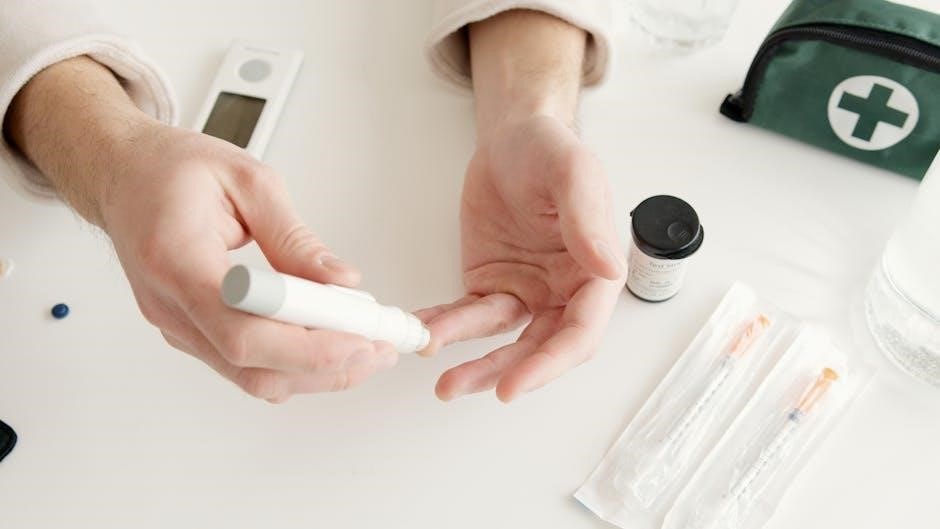
Liquid test kits demand careful procedure for accurate results․ Collect a water sample, add reagents in the specified order, and meticulously compare the resulting color to the chart․
Collecting the Water Sample
Accurate testing begins with a representative water sample․ Collect water from approximately 18 inches below the surface, away from skimmers or return jets, to avoid skewed readings․ Use a clean sample container, ensuring it hasn’t been exposed to any pool chemicals․ Avoid touching the inside of the container to prevent contamination․ The sample should be tested immediately after collection for the most reliable results․ If immediate testing isn’t possible, store the sample in a cool, dark place, but analyze it as soon as feasible, as chemical levels can shift over time․ Proper sample collection is paramount for dependable pool chemistry analysis․
Adding Reagents: Proper Amounts and Order
Carefully follow the test kit’s instructions regarding reagent addition․ Using the correct amount of each reagent is crucial for accurate results; avoid estimations․ Typically, you’ll add reagents one at a time, swirling gently after each addition․ The order of addition often matters, so adhere strictly to the kit’s specified sequence․ Avoid contaminating the reagent bottles – never pour directly from them into the test tube․ Use the provided droppers or measuring devices․ Note any color changes immediately after adding each reagent, as these indicate the chemical reactions occurring․
Interpreting the Color Results
After adding reagents and allowing the appropriate reaction time, carefully observe the resulting color in the test tube․ Hold the tube against the color chart provided with your kit, under good lighting conditions – natural daylight is best, but avoid direct sunlight․ Match the color of the sample as closely as possible to a color on the chart․ The corresponding number or value next to the matched color indicates your pool’s chemical level․ Slight variations in color can occur, so choose the closest match․
Understanding the Color Chart
The color chart is your key to deciphering test results․ It displays a spectrum of colors, each representing a specific concentration of the chemical being tested – pH, chlorine, alkalinity, and so on․ Charts typically feature numerical values alongside each color, indicating the parts per million (ppm) or pH level․ Familiarize yourself with the ideal ranges for each parameter․ Note that color perception can vary; ensure good lighting and compare your sample directly to the chart for accurate readings․
Using Test Strips: A Quick Guide
Test strips provide rapid results․ Simply dip a strip into the water, wait the specified time, and compare the resulting colors to the provided chart․
Dipping the Strip and Waiting
To accurately utilize test strips, fully immerse the strip into the pool water for the duration specified on the bottle – typically just a few seconds․ Avoid touching the test pad area to prevent contamination and ensure reliable readings․ Remove the strip and gently shake off any excess water; do not rinse! Lay the strip flat on a clean, dry surface and initiate the timing process․
Crucially, wait the precise amount of time indicated on the packaging, as reading too early or late can significantly skew the results․ Observe the color changes as they develop, and prepare to compare them to the color chart immediately after the allotted time expires․
Comparing to the Color Chart
After the designated wait time, carefully compare the colors on the test strip pads to the corresponding colors on the provided chart․ Match each pad’s color as closely as possible, noting slight variations․ Read the numerical value associated with the closest matching color for each parameter – pH, chlorine, alkalinity, and so on․
Ensure adequate lighting when comparing colors, as dim or artificial light can distort perception․ Understand that subjective interpretation is inherent in this process, and slight discrepancies are possible․ Record your readings for tracking and future adjustments․
Limitations of Test Strip Accuracy
While convenient, test strips possess inherent limitations․ Subjective color interpretation introduces potential for error, differing from precise digital readings․ Environmental factors like sunlight and humidity can affect strip reactivity and color development, impacting accuracy․ They primarily measure total chlorine, lacking differentiation between free and combined chlorine – crucial for effective sanitation․
Furthermore, strips may struggle with heavily stained or cloudy water, hindering clear color changes․ They generally offer lower resolution than liquid or digital kits, potentially masking subtle imbalances․ For critical accuracy, especially with saltwater pools, consider alternative testing methods․

Digital Pool Testers: Operation and Calibration
Digital testers provide precise readings with minimal user interpretation․ Regular calibration, using provided solutions, is essential to maintain accuracy and reliable results for optimal pool care․
Powering On and Initial Setup
Before your first use, carefully install the required batteries, observing correct polarity as indicated within the battery compartment․ Upon powering on, most digital pool testers will initiate a self-check sequence, briefly displaying all segments on the screen․ Allow the device to warm up for a few moments to ensure stable readings․ Some models may prompt you to enter pool type settings – select appropriately for accurate analysis․ Familiarize yourself with the button layout for power, mode selection, and calibration access․ Ensure the probe is clean and properly connected before proceeding with testing․
Taking Readings and Display Interpretation
Submerge the probe into the pool water, ensuring it’s positioned according to the manufacturer’s instructions – typically mid-depth and away from return jets․ Allow the reading to stabilize, which usually takes between 30-60 seconds․ The digital display will present values for pH, chlorine (free and total), alkalinity, and potentially cyanuric acid or temperature․ Understand the ideal ranges for each parameter; deviations indicate imbalances․ Note any error messages displayed, referencing the user manual for troubleshooting․ Record readings for tracking trends and adjusting chemical levels accordingly․
Calibration Procedures for Accuracy
Digital pool testers require periodic calibration to maintain accuracy․ Typically, this involves using calibration solutions with known pH and chlorine levels․ Follow the device’s manual precisely; incorrect calibration impacts results․ The process usually involves immersing the probe in the solution and pressing a ‘calibrate’ button․ Some models auto-calibrate․ Regular calibration – often monthly or as indicated by the device – is crucial, especially with frequent use․ Proper calibration ensures reliable readings, preventing chemical imbalances and safeguarding pool water quality․
Troubleshooting Common Test Kit Issues
Inaccurate readings can stem from expired reagents, contaminated samples, or improper technique․ Always verify reagent dates and collect samples carefully to ensure reliable results․
Inaccurate Readings: Potential Causes
Several factors contribute to inaccurate pool test kit results․ Expired reagents are a primary culprit, as their chemical composition degrades over time, impacting reactivity․ Contamination of the water sample – from oils, lotions, or even dirty test tubes – can skew readings․
Improper testing procedure, such as adding incorrect reagent volumes or misinterpreting the color chart, also leads to errors․ Digital testers may require calibration, and interference from certain chemicals can affect their sensors․ Finally, ensure the test kit itself isn’t damaged or faulty․
Expired Reagents: When to Replace
Reagents within pool test kits have a limited shelf life, crucial for accurate results․ Most liquid reagents have an expiration date printed on the bottle or packaging; adhere to this strictly․ Even unopened reagents degrade over time, especially when exposed to heat or sunlight․
If no expiration date is visible, a general rule is to replace liquid reagents annually․ Discard any reagent showing discoloration, cloudiness, or precipitation․ Using expired reagents can lead to false readings, compromising water balance and potentially causing sanitation issues, so timely replacement is essential․
Contaminated Samples: Avoiding Errors
Accurate pool testing hinges on obtaining a representative water sample, free from contamination․ Always collect water from about 18 inches below the surface, away from return jets or skimmers․ Ensure the sample container is thoroughly rinsed with pool water beforehand – never use soap or detergents!
Avoid touching the inside of the container or allowing anything to fall into the sample․ Contaminants like sunscreen, lotions, or debris can skew test results․ Immediately test the sample after collection to prevent alterations in chemical composition due to exposure to air or sunlight․
Maintaining Your Test Kit
Proper storage of reagents in a cool, dry place is essential for longevity․ Regularly clean test tubes and replace digital kit batteries for optimal performance․
Proper Storage of Reagents
To ensure the accuracy and longevity of your swimming pool test kit, proper reagent storage is paramount․ Always store reagents in a cool, dry location, away from direct sunlight and extreme temperatures․ Exposure to heat or light can degrade the chemicals, leading to inaccurate readings․ Keep reagent bottles tightly sealed when not in use to prevent contamination and evaporation․ Avoid storing them near pool chemicals or cleaning supplies․ Ideally, a dedicated storage box or cabinet is recommended․ Regularly inspect reagents for any signs of discoloration or cloudiness, which may indicate degradation and the need for replacement․
Cleaning Test Tubes and Equipment
Maintaining cleanliness of your pool test kit’s components is crucial for accurate results․ After each use, thoroughly rinse test tubes and comparators with distilled or deionized water – tap water can leave residue․ Avoid using soaps or detergents, as these can interfere with future tests․ Allow all equipment to air dry completely before storing․ Inspect test tubes for any scratches or cloudiness; replace them if necessary․ Regularly wipe down the exterior of reagent bottles to prevent corrosion․ A clean kit ensures reliable readings and extends the lifespan of your testing supplies․
Replacing Batteries (for Digital Kits)
Digital pool testers rely on battery power for accurate readings․ When the display appears dim or erratic, or the device fails to power on, it’s time for replacement․ Consult your kit’s manual to identify the correct battery type – typically AA or AAA․ Carefully open the battery compartment, usually located on the back or bottom of the unit․ Remove the old batteries and insert new ones, ensuring correct polarity (+ and -)․ Properly dispose of used batteries according to local regulations; Regular battery checks guarantee consistent performance․
Advanced Testing Options
Beyond basic chemistry, phosphate and metal testing can proactively prevent algae growth and address staining, maintaining crystal-clear water and optimal pool health․
Phosphate Testing: Algae Prevention
Phosphates serve as a primary food source for algae, even when sanitizer levels are adequate․ Testing for phosphates allows proactive control, preventing blooms before they occur․ High phosphate readings indicate a potential for rapid algae growth, necessitating treatment with a phosphate remover․ Regular testing, particularly after heavy rainfall or significant pool usage, is crucial․ Kits typically involve adding a reagent to a water sample and comparing the resulting color to a chart․ Maintaining phosphate levels below 125 ppb is generally recommended for optimal algae prevention and a sparkling clean pool․
Metal Testing: Stain and Discoloration Control
Metals like iron, copper, and manganese can enter pool water from source water, corroded pipes, or even certain fertilizers․ These dissolved metals, while often invisible initially, can cause unsightly stains and discoloration on pool surfaces․ Specialized test kits utilize reagents that react with these metals, producing a color change proportional to their concentration․ Addressing metal contamination promptly with a sequestering agent prevents staining and maintains water clarity․ Regular testing is especially important if you have well water or notice unusual discoloration․
Choosing the Right Test Kit for Your Pool
Selecting a kit depends on your pool type and needs․ Saltwater pools require specific tests, while above-ground pools may benefit from simpler, cost-effective options․
Saltwater Pool Considerations
Saltwater pools demand specialized testing beyond standard chlorine checks․ While utilizing a salt chlorine generator, it’s crucial to monitor salt levels accurately, typically between 2700-3400 ppm․ Standard test kits often lack this capability, necessitating a separate salt test․ Furthermore, consistent measurement of chlorine – specifically free chlorine – remains vital, as the generator’s output fluctuates․
Regularly assess pH, alkalinity, and calcium hardness, as imbalances can impact generator efficiency and pool surface integrity․ Digital testers offer precision for saltwater analysis, while some advanced kits include dedicated salt readings․ Prioritize kits designed or adaptable for saltwater systems to ensure reliable results and optimal pool health․
Above-Ground vs․ In-Ground Pools
The choice of a pool test kit isn’t drastically different between above-ground and in-ground pools, but volume considerations matter․ Above-ground pools generally have smaller water volumes, meaning chemical imbalances can develop more rapidly, requiring more frequent testing․ Both types benefit from consistent monitoring of pH, chlorine, alkalinity, and calcium hardness;
However, above-ground pools, often exposed to more sunlight, may experience faster algae growth, emphasizing the need for phosphate testing․ Digital kits offer convenience for both, but basic liquid or strip kits are equally effective․ Prioritize a kit that suits your testing frequency and comfort level, regardless of pool type․