
Guided Appalachian Trail hikes offer immersive experiences, blending natural beauty with expert knowledge. Explore iconic sections with ease, benefiting from logistical support and insightful commentary.
What is the Appalachian Trail?
The Appalachian Trail (AT) is a legendary footpath stretching roughly 2,190+ miles along the crest of the Appalachian Mountains, traversing fourteen states from Maine to Georgia. This iconic national scenic trail presents a diverse range of ecosystems, from lush forests to rocky peaks, attracting hikers of all levels.
Originally conceived in the 1920s, the AT was completed in 1937 and is managed by the National Park Service and the Appalachian Trail Conservancy. It’s renowned for its challenging terrain and breathtaking vistas, offering a unique opportunity to connect with nature. Guided hikes provide a safe and informative way to experience this wilderness, especially for those unfamiliar with long-distance backpacking.
Benefits of a Guided Hike
Guided Appalachian Trail hikes offer numerous advantages over solo adventures. Experienced guides provide invaluable expertise in navigation, local flora and fauna, and safety protocols, minimizing risks. They handle logistics like permits, meals, and transportation, allowing hikers to fully immerse themselves in the experience.
Furthermore, guided tours foster a sense of community, connecting you with fellow enthusiasts. Guides enrich the journey with historical insights and captivating storytelling. For beginners, a guided hike is an excellent introduction to backpacking, building confidence and skills. Ultimately, it’s a stress-free way to enjoy the AT’s beauty.

Planning Your Guided Appalachian Trail Adventure
Careful planning is key to a successful Appalachian Trail experience. Research operators, assess your fitness, and select a section aligning with your abilities and interests.
Choosing the Right Guided Tour Operator
Selecting a reputable tour operator is paramount for a safe and enjoyable Appalachian Trail hike. Prioritize companies with experienced, certified guides possessing strong wilderness first aid training. Investigate their safety records and client testimonials thoroughly. Consider the operator’s group size policies – smaller groups often allow for a more personalized experience.
Look for operators offering varied itineraries catering to different fitness levels and interests, such as photography or wildlife viewing. Confirm their commitment to Leave No Trace principles, demonstrating environmental responsibility. Transparent pricing, including what’s covered and potential extra costs, is crucial. Finally, ensure the operator has appropriate permits and insurance coverage for operating on the Appalachian Trail.
Determining Your Fitness Level & Hike Difficulty
Accurately assessing your fitness is vital before embarking on a guided Appalachian Trail hike. Be honest about your current activity level and any physical limitations. The Appalachian Trail presents varying degrees of difficulty, from gentle strolls to strenuous climbs. Tour operators typically categorize hikes as easy, moderate, or challenging.
Consider factors like elevation gain, daily mileage, and terrain when choosing a hike. If you’re new to backpacking, opt for a shorter, less demanding trip. Regular cardiovascular exercise and strength training in the months leading up to your hike will significantly improve your experience. Consult your doctor before starting any new fitness regimen.
Appalachian Trail Sections Popular for Guided Hikes
Several Appalachian Trail sections are particularly well-suited for guided hikes, offering diverse scenery and manageable terrain. Shenandoah National Park in Virginia is a favorite, known for its stunning vistas and well-maintained trails. The Great Smoky Mountains National Park, straddling North Carolina and Tennessee, provides a challenging yet rewarding experience with lush forests and abundant wildlife.
Maine’s 100-Mile Wilderness presents a more rugged adventure for experienced hikers. Sections in Pennsylvania and New Jersey offer gentler slopes and historical interest. Guided tours often focus on these accessible areas, providing a safe and informative introduction to the trail’s wonders.

Cost Considerations for Guided Hikes
Guided Appalachian Trail hikes vary in price, influenced by duration and inclusions. Expect to pay from $50 for half-day trips to several hundred for multi-day backpacking adventures.
Average Price Ranges for Different Hike Durations
Guided Appalachian Trail hikes present a spectrum of costs depending on the length of the excursion. Typically, half-day hikes, lasting around 2-3 hours, range from $50 to $100 per adult, offering a taste of the trail. Full-day adventures, spanning 6-8 hours, generally fall between $100 and $250, providing a more immersive experience.
Multi-day backpacking trips, lasting 3-5 days, can range significantly from $500 to $1500 or more, encompassing meals, lodging (if applicable), and extensive logistical support. Specialty tours, like photography or wildlife viewing focused hikes, may command a premium, adding $50-$200 to the base price. Remember these are averages, and prices fluctuate based on operator, location, and included amenities.
What’s Typically Included in the Tour Price?
Guided Appalachian Trail hike prices commonly encompass several key components. Expect professional guide services, providing expertise in navigation, local flora & fauna, and safety protocols. Transportation to and from the trailhead is frequently included, eliminating logistical hassles. Many tours cover permits and park entrance fees, simplifying the planning process.
Some operators offer meals and snacks, ranging from packed lunches to fully catered experiences. Group gear, such as first-aid kits and communication devices, is almost always provided. However, personal gear like clothing and footwear is usually the hiker’s responsibility. Confirm inclusions with your chosen operator for a clear understanding.
Essential Gear and Preparation
Proper gear is crucial for enjoying guided Appalachian Trail hikes. Prioritize moisture-wicking clothing, sturdy hiking boots, and a comfortable backpack for essentials and hydration.
Clothing and Footwear Recommendations
For guided Appalachian Trail hikes, layering is key! Opt for moisture-wicking base layers (synthetic or merino wool) to regulate temperature and prevent chafing. Add insulating mid-layers like fleece or down for warmth, and a waterproof/windproof outer shell.
Footwear is paramount; broken-in hiking boots offering ankle support are essential. Consider waterproof options for varied terrain. Hiking socks (wool or synthetic blends) minimize blisters. Avoid cotton, as it retains moisture and can lead to discomfort. Bring extra socks! Don’t forget a hat for sun protection and warmth, and comfortable hiking pants or shorts.
Packing List: Must-Have Items
Essential for guided Appalachian Trail hikes: a backpack (size depends on trip length), headlamp or flashlight with extra batteries, first-aid kit (including blister treatment), navigation tools (map & compass – even with a guide!), sunscreen, insect repellent, and a reusable water bottle or hydration reservoir.
Don’t forget snacks (energy bars, trail mix), a multi-tool or knife, a lightweight rain cover for your pack, and a camera to capture the stunning scenery. A small amount of cash is useful for unexpected purchases. Pack a personal hygiene kit and any necessary medications.
Safety on the Appalachian Trail
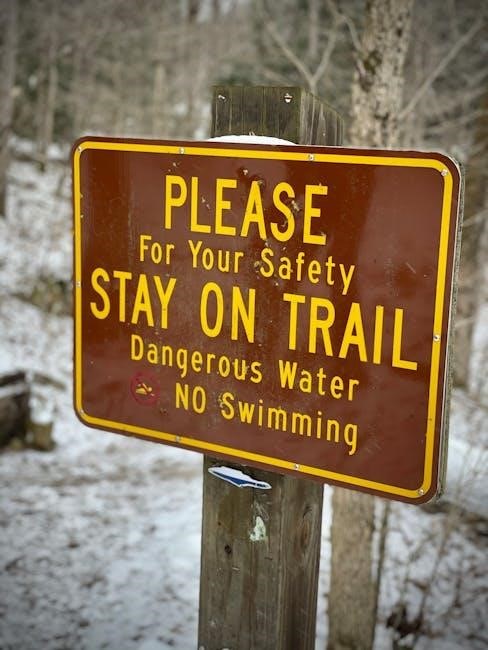
Guided hikes prioritize safety through wildlife awareness, navigation skills, and hazard understanding. Listen to your guide’s instructions and stay on marked trails.
Wildlife Awareness and Bear Safety
Guided Appalachian Trail hikes emphasize respecting wildlife and minimizing encounters. Your guide will educate you about local fauna, including black bears, and proper food storage techniques. Always make noise while hiking to avoid surprising animals, and carry bear spray where recommended.
Understanding bear behavior is crucial; never approach a bear, and know how to react during a sighting. Store food in bear-resistant canisters or hang it properly to prevent attracting them to campsites. Maintaining a safe distance and reporting any bear activity to your guide ensures a secure and enjoyable hiking experience for everyone on the trail.
Understanding Trail Hazards and Navigation
Guided Appalachian Trail hikes prioritize safety through expert navigation and hazard awareness. Guides are skilled in map reading, compass use, and utilizing GPS technology, ensuring you stay on course. They identify potential dangers like steep drop-offs, slippery rocks, and changing weather conditions.
Understanding trail markings and recognizing signs of hypothermia or heat exhaustion are vital. Your guide will provide briefings on these risks and demonstrate appropriate responses. Proper footwear and awareness of your surroundings are also key to preventing injuries. Relying on your guide’s expertise minimizes risks and maximizes enjoyment.
Types of Guided Appalachian Trail Experiences
Guided Appalachian Trail hikes range from leisurely day trips to challenging multi-day backpacking adventures, including specialized tours focused on photography and wildlife observation.
Day Hikes vs. Multi-Day Backpacking Trips
Guided Appalachian Trail day hikes provide a fantastic introduction, typically lasting several hours and covering moderate distances. These are ideal for those seeking a taste of the trail without a significant time commitment or strenuous exertion. Multi-day backpacking trips, conversely, demand greater physical fitness and preparation;
These immersive experiences can span several days, requiring participants to carry all necessary gear – tents, food, and supplies. Guided backpacking trips offer logistical support, including meal planning and campsite arrangements, enhancing safety and enjoyment. The choice depends on your experience level, available time, and desired level of challenge. Both options deliver unforgettable encounters with nature!
Specialty Tours: Photography, Wildlife Viewing
Guided Appalachian Trail tours extend beyond basic hiking, catering to specific interests. Photography tours, led by experienced instructors, focus on capturing the trail’s stunning landscapes and unique flora and fauna. These tours often prioritize optimal lighting conditions and composition techniques, enhancing photographic skills.
Wildlife viewing expeditions, guided by naturalists, increase your chances of spotting diverse animal species – from black bears and deer to various birdlife. Guides share insights into animal behavior and habitat, promoting responsible wildlife observation. These specialty tours offer a deeper connection with the trail’s ecosystem, enriching the overall experience.

Popular Guided Hike Locations
Shenandoah and Great Smoky Mountains National Parks are prime destinations for guided Appalachian Trail hikes, offering diverse terrain and breathtaking scenic views.
Shenandoah National Park Guided Hikes
Shenandoah National Park provides accessible Appalachian Trail experiences, ideal for various skill levels. Guided tours often focus on sections like Old Rag Mountain, known for its challenging rock scramble, or Hawksbill Mountain, the park’s highest peak, offering panoramic vistas.
These hikes range from leisurely day trips to multi-day backpacking adventures, led by experienced guides who share insights into the park’s history, geology, and diverse flora and fauna. Expect opportunities for wildlife viewing, including deer, black bears, and numerous bird species. Tour operators frequently emphasize safety and responsible hiking practices, ensuring a memorable and enriching experience within this stunning natural landscape.
Great Smoky Mountains National Park Guided Hikes
Great Smoky Mountains National Park offers uniquely biodiverse Appalachian Trail sections, attracting hikers with its lush forests and misty peaks. Guided tours commonly explore areas like Clingmans Dome, the park’s highest point, or sections along the Fontana Dam. These excursions cater to diverse fitness levels, from gentle nature walks to strenuous climbs.
Expert guides provide valuable knowledge about the park’s rich cultural history, including remnants of Appalachian settlements, and its exceptional ecological significance. Expect opportunities to spot black bears, elk, and a wide array of wildflowers. Safety briefings and responsible trail etiquette are standard components of these immersive adventures.

Booking Your Guided Hike
Booking well in advance, especially for peak seasons, is crucial. Understand cancellation policies thoroughly before confirming your Appalachian Trail adventure for peace of mind.
Best Time to Book
Securing your spot on a guided Appalachian Trail hike requires strategic planning. The optimal booking window generally opens 6 to 12 months in advance, particularly for popular sections and peak seasons like spring and fall. These periods boast pleasant weather and vibrant foliage, driving up demand.
However, even shoulder seasons (late spring/early fall) benefit from early reservations. Last-minute bookings are possible, but availability is limited, and you risk missing out on your preferred dates or tour operator. Consider booking during the off-season for potential discounts, but be prepared for variable weather conditions. Prompt action ensures a seamless and enjoyable hiking experience.
Understanding Cancellation Policies
Guided Appalachian Trail hike cancellation policies vary significantly between operators, so careful review is crucial before booking. Most companies offer partial refunds for cancellations made weeks or months in advance, decreasing as the departure date nears. Some may provide credit towards a future trip instead of a refund.
Unexpected events like illness or travel disruptions often necessitate cancellation. Travel insurance is highly recommended to cover non-refundable costs. Understand the specific policy regarding weather-related cancellations or operator-initiated changes. Always obtain a written copy of the policy for your records, ensuring clarity and peace of mind.

Post-Hike Recovery and Considerations
Post-hike recovery involves stretching, hydration, and mindful practices. Embrace “Leave No Trace” principles, preserving the Appalachian Trail’s beauty for future adventurers.
Stretching and Muscle Recovery
Guided Appalachian Trail hikes, while rewarding, can challenge your muscles. Prioritize post-hike stretching, focusing on calves, hamstrings, quads, and hip flexors. Hold each stretch for at least 30 seconds, breathing deeply to enhance flexibility and reduce soreness.
Consider incorporating foam rolling to target deeper muscle tissues and alleviate tension. Hydration is crucial; replenish fluids lost during the hike. Light activity, like a gentle walk, can promote blood flow and aid recovery. Don’t underestimate the power of rest – allow your body adequate time to rebuild and repair itself before your next adventure!
Leave No Trace Principles
Guided Appalachian Trail hikes emphasize responsible outdoor ethics. Practice “Leave No Trace” principles: plan ahead and prepare, travel and camp on durable surfaces, manage waste properly (pack it in, pack it out!).
Minimize campfire impacts – use established fire rings or stoves. Respect wildlife, observing from a distance and never feeding animals. Be considerate of other visitors, keeping noise levels down. Leave what you find, preserving the natural environment for future generations. Following these guidelines ensures the Appalachian Trail remains pristine and enjoyable for all.