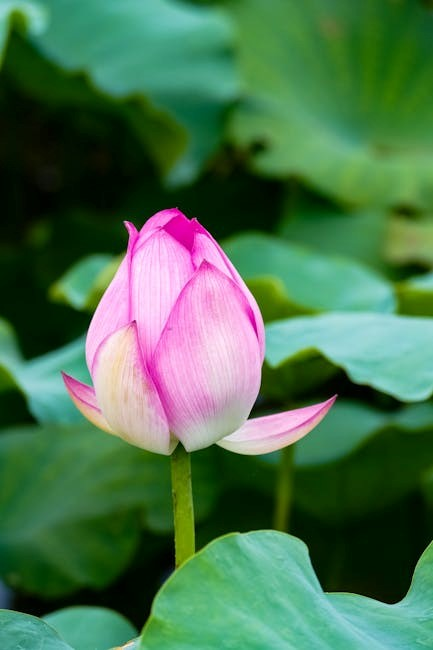
Flowers captivate with beauty, yet harbor hidden dangers; a botanist’s guide unveils this duality, detailing toxicity and potential fatality within seemingly harmless blooms.
The Dual Nature of Flowers
Flowers present a fascinating paradox: exquisite beauty masking potential lethality. Many species contain toxins evolved for defense, impacting animals and humans alike. This inherent duality demands respect and knowledge. Bright colors, alluring scents – these attract pollinators but can also signal danger. A botanist’s perspective reveals that floral toxicity isn’t malice, but a complex survival mechanism. Understanding this delicate balance is crucial for safe interaction with the plant kingdom, recognizing that captivating aesthetics don’t guarantee harmlessness.
Why a Botanist’s Guide to Floral Toxicity?
A botanist’s guide to floral toxicity is essential due to the increasing risk of accidental poisoning from ornamental plants. Many popular garden varieties, like foxglove and oleander, contain potent toxins. Identifying these dangers protects humans and pets from severe illness or even fatality. This guide bridges the gap between aesthetic appreciation and informed safety, offering crucial knowledge for gardeners, hikers, and parents. Recognizing symptoms and understanding plant defenses empowers proactive prevention and responsible interaction with the natural world.

Commonly Deadly Flowers: A Comprehensive Overview
Certain flowers pose significant threats; this overview details highly toxic species—foxglove, veratrum, and autumn crocus—exploring their lethal compounds and potential for severe harm.
Foxglove (Digitalis purpurea)
Foxglove, with its majestic spires, belies a deadly secret. All parts of this plant contain cardiac glycosides, potent toxins impacting heart function. Even minimal ingestion can trigger severe consequences. Symptoms of foxglove poisoning range from nausea and vomiting to irregular heartbeat, vision disturbances, and potentially fatal cardiac arrest. Identifying foxglove is crucial; its tall stalks and bell-shaped flowers are distinctive, but deceptively inviting. Awareness and caution are paramount when encountering this beautiful, yet dangerous, bloom.
Toxic Compounds: Cardiac Glycosides
Cardiac glycosides, present in foxglove, disrupt the heart’s natural rhythm by affecting sodium-potassium pumps; This interference alters the force of heart contractions and can lead to arrhythmias. Digitoxin and digoxin are key glycosides responsible for the plant’s toxicity. These compounds accumulate in tissues, exacerbating their effects. Even small amounts can cause significant physiological disturbance, highlighting the plant’s potent danger and the need for extreme caution when handling or being near foxglove.
Symptoms of Foxglove Poisoning
Foxglove poisoning manifests with diverse symptoms, initially including nausea, vomiting, and abdominal pain. Cardiac effects rapidly follow, presenting as irregular heartbeat, dizziness, and potentially, life-threatening arrhythmias. Visual disturbances, such as blurred vision with yellow halos, are also common. Severe cases can lead to confusion, seizures, and ultimately, cardiac failure. Prompt medical attention is crucial, as the progression can be swift and fatal, demanding immediate intervention to stabilize heart function.
Veratrum (False Hellebore)
Veratrum, commonly known as False Hellebore, presents a significant toxic threat, with all plant parts – including the seemingly innocuous white flowers – containing potent poisons. Ingestion can induce rapid cardiac failure, accompanied by a cascade of debilitating symptoms. These include severe gastrointestinal distress, muscle weakness, and neurological disturbances. Due to its high toxicity, even small amounts can prove fatal, necessitating extreme caution and immediate medical intervention upon suspected exposure.
Mechanism of Veratrum Toxicity
Veratrum’s toxicity stems from the presence of steroidal alkaloids, primarily veratramine, which disrupt cellular ion transport. This interference profoundly impacts cardiac function, leading to arrhythmias and potential heart failure. Furthermore, these alkaloids affect the nervous system, causing symptoms like dizziness, muscle weakness, and even convulsions. The alkaloids’ ability to increase cell membrane permeability contributes to the rapid onset of severe physiological disturbances, making Veratrum ingestion a critical medical emergency.
Recognizing Veratrum and its Fatal Potential
Veratrum, or False Hellebore, presents as a tall plant with striking white or greenish-white flowers arranged in a raceme. Its broad leaves are prominently veined. Misidentification is a significant risk due to its resemblance to edible plants. All plant parts are highly toxic, even in small quantities. Ingestion can swiftly lead to cardiac failure and death, emphasizing the critical need for accurate identification and avoidance when encountering this deceptively beautiful, yet fatally poisonous, bloom.
Autumn Crocus (Colchicum autumnale)
The Autumn Crocus emerges in fall, displaying delicate lilac-colored flowers – a deceptive beauty masking extreme toxicity. Often mistaken for edible spring crocuses, this plant contains colchicine, a potent alkaloid. Even a small amount can cause severe gastrointestinal distress, potentially leading to multi-organ failure and, tragically, fatality. Vigilance is crucial; bulbs pose the greatest risk, demanding careful garden management and awareness to prevent accidental ingestion.
Colchicine: The Toxic Alkaloid
Colchicine, the principal toxic component of Autumn Crocus, disrupts cell division by binding to tubulin, a protein essential for cellular structure. This interference impacts rapidly dividing cells, notably in the gastrointestinal tract and bone marrow. Symptoms manifest swiftly, including intense burning sensations, nausea, vomiting, and potentially life-threatening cardiovascular complications. Historically used medicinally, its narrow therapeutic index necessitates extreme caution, making accidental exposure profoundly dangerous.
Severity of Autumn Crocus Poisoning
Autumn Crocus poisoning exhibits a remarkably rapid onset and potentially severe consequences, even with small ingestions. Multi-organ failure, stemming from colchicine’s disruptive cellular effects, is a primary concern. Symptoms escalate quickly, demanding immediate medical intervention. Fatality rates, though variable, underscore the plant’s lethal potential. Delayed treatment significantly worsens prognosis, emphasizing the critical need for prompt diagnosis and supportive care to mitigate the toxic effects.
Flowers with Significant Toxicity
Certain blossoms possess potent toxins causing severe health issues; understanding these plants—Azalea, Oleander, Lily of the Valley—is crucial for safety and preventative measures.
Azalea and Rhododendron
Azaleas and Rhododendrons, admired for their vibrant displays, contain grayanotoxins, impacting sodium channels and causing significant physiological disturbances. Ingestion leads to symptoms like nausea, vomiting, weakness, and potentially, cardiovascular complications. Severity varies based on quantity consumed and individual sensitivity. Treatment primarily focuses on supportive care, managing symptoms, and preventing further toxin absorption. Prompt veterinary or medical attention is vital following suspected exposure, ensuring rapid intervention and improved outcomes for affected individuals or animals.
Grayanotoxins and Their Effects
Grayanotoxins, present in Azalea and Rhododendron, disrupt sodium ion transport across nerve and muscle cell membranes. This interference causes a cascade of effects, including bradycardia (slow heart rate), hypotension (low blood pressure), and neurological symptoms like dizziness and weakness. Salivation is also common. These toxins don’t typically cause lasting damage, but symptoms can be severe and require immediate veterinary or medical intervention to stabilize vital functions and manage the effects.
Symptoms and Treatment
Exposure to Azalea and Rhododendron manifests as nausea, vomiting, weakness, drooling, and potentially heart rhythm disturbances. Severe cases can lead to collapse and coma. Treatment primarily focuses on supportive care: inducing vomiting (if recent ingestion and advised by a professional), administering activated charcoal to bind toxins, and providing intravenous fluids to maintain blood pressure. Cardiac monitoring is crucial, and atropine may be used to counteract bradycardia.
Oleander (Nerium oleander)
Oleander is a strikingly beautiful, yet highly toxic shrub common in warmer climates. All parts of the plant – leaves, flowers, stems, and even the sap – contain cardiac glycosides. These compounds disrupt the normal rhythm of the heart, posing a significant threat to humans and animals. Ingestion, even in small amounts, can be fatal, necessitating immediate medical attention.
Cardiac Poisoning from Oleander
Oleander induces cardiac poisoning through cardiac glycosides, disrupting electrolyte balance within heart muscle cells. This interference leads to irregular heartbeat – initially slow, then potentially rapid and erratic. Symptoms manifest as nausea, vomiting, dizziness, and ultimately, cardiac arrest. The toxins bind to the sodium-potassium pump, severely impacting heart function and requiring urgent medical intervention for survival.
Identifying Oleander and Avoiding Exposure
Oleander boasts glossy, dark green leaves and clusters of vibrant flowers – often pink, red, or white. It’s a common ornamental shrub, thriving in warm climates. Avoid touching any part of the plant, and never ingest it. Educate children about its dangers. If handling cuttings, wear gloves. Burning oleander releases toxic fumes; avoid proximity to burning bushes. Prioritize awareness and caution around this deceptively beautiful, yet highly poisonous, plant.
Lily of the Valley (Convallaria majalis)
This delicate, sweetly scented flower belies a potent toxicity. Lily of the Valley contains convallatoxin, impacting cardiac function. All parts of the plant – leaves, flowers, even the water it’s in – are poisonous. Symptoms range from nausea and vomiting to irregular heartbeat and potential heart failure. Exercise extreme caution, especially around children and pets, and avoid ingestion at all costs.
Convallatoxin and its Impact
Convallatoxin, a cardiac glycoside within Lily of the Valley, disrupts the sodium-potassium pump in heart cells. This interference leads to irregular heart rhythms, potentially escalating to bradycardia or complete heart block. Gastrointestinal distress often precedes cardiac symptoms. The toxin’s impact isn’t limited to the heart; neurological effects like dizziness and weakness can also manifest, demanding immediate medical attention upon suspected exposure.
Symptoms and Precautions
Symptoms of Azalea and Rhododendron poisoning include excessive salivation, vomiting, diarrhea, weakness, and potentially, cardiovascular collapse. Grayanotoxins disrupt sodium channels, causing these effects. Precautions involve diligent supervision of children and pets around these plants. Avoid ingestion and prolonged skin contact. Immediate veterinary or medical care is crucial if symptoms appear, focusing on supportive treatment and managing cardiac irregularities.

Less Known, Yet Dangerous Blooms
Beyond common threats, several lesser-known flowers pose significant risks; understanding their toxicity is vital for safety, demanding careful identification and preventative measures.
Monkshood (Aconitum)
Monkshood, scientifically known as Aconitum, presents a grave threat due to its potent neurotoxin, aconitine. Even minimal contact can induce severe symptoms, demanding immediate attention. This plant’s striking blue-purple hooded flowers belie its deadly nature. Symptoms manifest rapidly, including nausea, vomiting, and potentially fatal cardiac arrhythmia. Emergency response necessitates immediate medical intervention, focusing on supportive care and symptom management. Recognizing Monkshood’s distinctive appearance – tall spires of hooded flowers and deeply divided leaves – is crucial for avoiding accidental exposure and ensuring safety in gardens and wild landscapes.

Aconitine: A Potent Neurotoxin
Aconitine, the primary toxin in Monkshood, profoundly impacts the nervous system and cardiac function. It disrupts sodium channel activity, leading to prolonged nerve excitation and irregular heartbeats. This potent neurotoxin rapidly absorbs through skin and mucous membranes, amplifying the risk. Symptoms arise quickly, ranging from tingling sensations to paralysis and cardiac arrest. Aconitine’s complex mechanism necessitates specialized medical treatment, emphasizing the critical need for swift identification and intervention following exposure to this exceptionally dangerous compound.
Symptoms and Emergency Response
Monkshood poisoning manifests swiftly with tingling, numbness, and gastrointestinal distress. Cardiac symptoms – irregular pulse, low blood pressure – rapidly escalate. Neurological effects include muscle weakness, paralysis, and potentially fatal respiratory failure. Immediate medical attention is paramount; induce vomiting only if advised by professionals. Supportive care focuses on managing cardiac arrhythmias and respiratory distress. Contact Poison Control immediately, providing plant details. Prompt action significantly improves outcomes, given aconitine’s rapid and severe impact on vital functions.

Daffodil (Narcissus)
Daffodils, while cheerful, contain lycorine and other alkaloids throughout the bulb, stem, and leaves. Ingestion causes nausea, vomiting, diarrhea, and abdominal pain. More severe cases exhibit cardiac arrhythmias and central nervous system depression. Symptoms typically appear within a few hours. Though rarely fatal, significant discomfort warrants attention. Pets are particularly vulnerable, often exhibiting drooling and tremors. Avoid bulb consumption and handle daffodils with care, washing hands thoroughly post-contact.
Lycorine and Alkaloids in Daffodils
Daffodils’ toxicity stems from lycorine, a crystalline alkaloid, alongside other related compounds concentrated within the bulb. These alkaloids disrupt cellular function, causing gastrointestinal distress and potentially impacting the cardiovascular system. Lycorine induces vomiting as a defense mechanism, but larger doses pose greater risks. Alkaloid concentration varies between daffodil varieties, influencing toxicity levels. Proper identification and avoidance of ingestion are crucial for safety, especially concerning pets and children.
Symptoms of Daffodil Poisoning
Daffodil poisoning typically manifests as severe gastrointestinal upset, including nausea, vomiting, and diarrhea, often appearing within a few hours of ingestion. Salivation and abdominal pain are also common. In more serious cases, cardiac arrhythmias and respiratory depression can occur, demanding immediate veterinary or medical attention. While rarely fatal in humans, daffodils pose a significant threat to pets, particularly dogs, due to their tendency to chew on bulbs.
Identifying Poisonous Plants: Key Characteristics
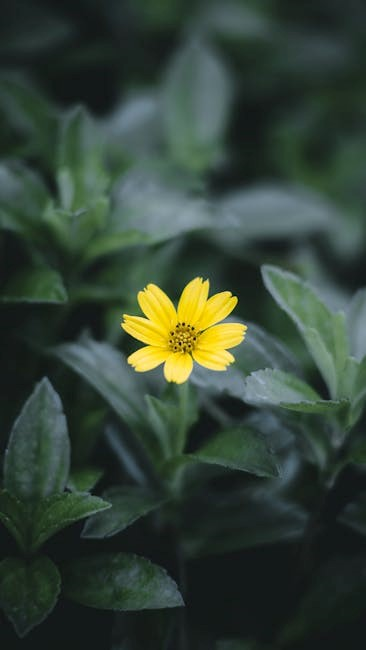
Spotting toxic plants requires vigilance; bright colors, unusual smells, and distinctive leaf shapes often signal danger, aiding in plant identification and safety.
Bright Colors and Warning Signs
Vivid coloration in plants isn’t always an invitation, but frequently a warning. Many poisonous species showcase strikingly bright hues – reds, yellows, and purples – as a defense mechanism, advertising their toxicity to potential herbivores. This aposematism serves as a visual cue, signaling danger to animals and, crucially, to humans. However, relying solely on color is insufficient; some toxic plants blend seamlessly into their surroundings. Observing unusual patterns or markings alongside bright colors heightens suspicion. Always exercise caution and avoid touching or ingesting any plant you cannot positively identify as safe, remembering that beauty can conceal a deadly secret.
Distinctive Smells as Indicators
Beyond visual cues, unusual or overpowering scents can signal a plant’s toxicity. While pleasant fragrances attract pollinators, some poisonous plants emit odors that are distinctly unpleasant, acrid, or even sickly sweet – a chemical defense against being eaten. However, scent alone isn’t definitive; some safe plants also possess strong aromas. A combination of a peculiar smell and other warning signs, like unusual coloration or leaf structure, should raise immediate concern. Trust your instincts; if a plant’s scent feels “off,” maintain a safe distance and avoid contact.
Leaf Shape and Arrangement Clues
Observing leaf characteristics offers valuable clues. Many poisonous plants exhibit unusual leaf shapes – deeply lobed, highly dissected, or possessing waxy coatings. Arrangement matters too; alternate, opposite, or whorled patterns can be indicative. Note if leaves grow in clusters or singularly. Comparing a plant’s foliage to known safe varieties is crucial. However, leaf characteristics can vary, so this isn’t foolproof. Always consider leaf features alongside other warning signs, like color, smell, and overall plant structure, for accurate identification.

Protecting Yourself and Pets
Prioritize safe gardening, educate children about plant dangers, and understand basic first aid for potential poisoning incidents to safeguard loved ones.
Safe Gardening Practices
Employing careful gardening techniques minimizes exposure to toxic plants. Always wear gloves and long sleeves when handling unfamiliar foliage, preventing skin irritation or absorption of toxins. Thoroughly wash hands after gardening, especially before eating.
Clearly label plants, particularly those known to be poisonous, to alert family members and visitors. Consider removing highly toxic species if small children or pets are present. Supervise children closely in the garden, teaching them not to ingest any plant material. Proper plant identification is crucial for a safe gardening experience.
Educating Children About Plant Dangers
Instilling plant awareness in children is paramount for safety. Teach them a simple rule: never eat any plant part without explicit adult permission. Explain that beautiful flowers can sometimes be harmful, emphasizing that appearance isn’t an indicator of safety.
Use picture books and garden tours to identify potentially dangerous plants. Emphasize the importance of informing a trusted adult if they or a friend ingest any unknown plant material. Reinforce that touching unknown plants should also be avoided, preventing skin reactions.
First Aid for Plant Poisoning
If plant poisoning is suspected, immediate action is crucial. First, remove the plant material from the mouth, and gently rinse with water. Do not induce vomiting unless specifically directed by a medical professional or Poison Control.
Attempt to identify the plant for accurate treatment guidance. Contact your local Poison Control Center immediately (see Resources section). Note the time of ingestion and observed symptoms, providing this information to emergency responders or medical personnel.
Resources for Further Information
For urgent assistance, contact the Poison Control Center. Online databases offer comprehensive lists of poisonous plants, aiding identification and safety awareness.
Poison Control Center Contact Information
In any suspected plant poisoning case, immediate action is crucial. Contact your local Poison Control Center directly. Within the United States, dial 1-800-222-1222 for 24/7 expert assistance. This national hotline connects you to trained professionals who can provide guidance on symptoms, potential treatments, and necessary steps to take. Keep this number readily accessible, especially when gardening or exploring natural areas with children and pets. Prompt consultation can significantly improve outcomes and mitigate potential harm from toxic floral exposures.
Online Databases of Poisonous Plants
Numerous online resources offer comprehensive information regarding toxic plants. The ASPCA’s website (aspca.org/pet-care/animal-poison-control) provides a detailed list of plants toxic to animals, categorized for easy reference. Similarly, the Pet Poison Helpline (petpoisonhelpline.com) offers expert advice and a plant toxicity database. For broader botanical information, consult the Lady Bird Johnson Wildflower Center (wildflower.org) and regional extension services, offering detailed plant profiles and toxicity warnings. These databases are invaluable tools for identification and preventative measures.